Mount Everest is NOT the tallest mountain in the World
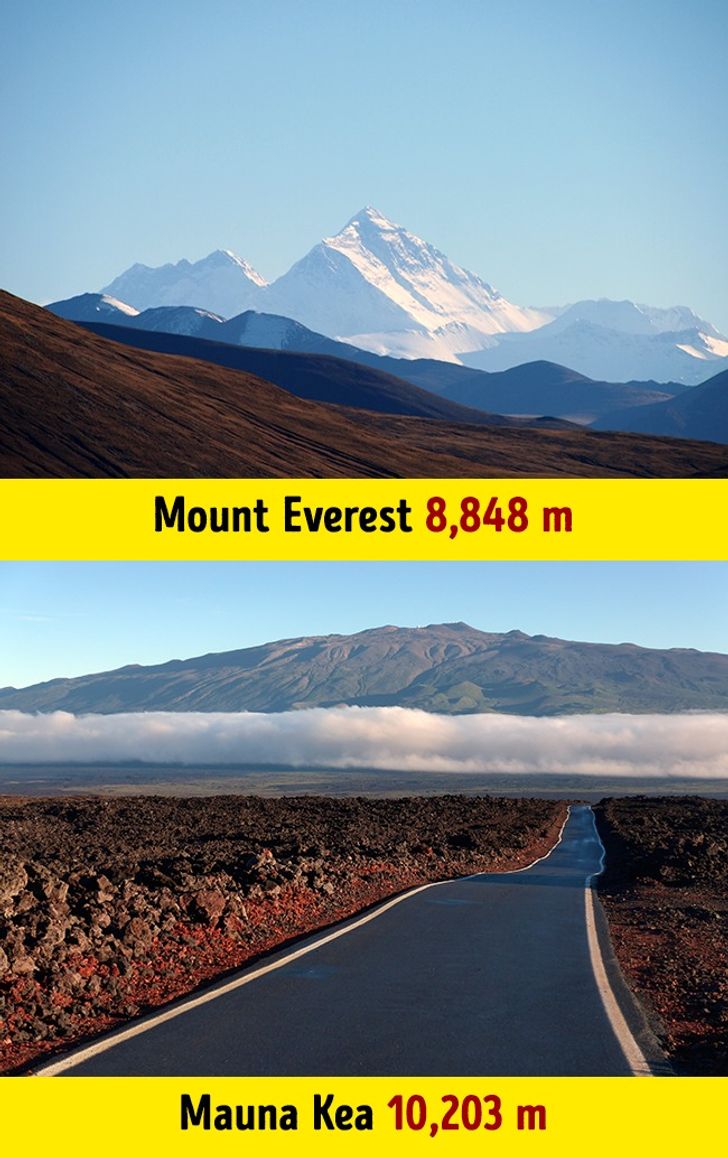 Hawaiian Mauna Kea has an altitude of 4,205 m above sea level. However, the biggest part of the volcano rests below sea level. So if measured from the base to the summit, Mauna Kea is 10,203 m high, which is 1,355 m taller than Mount Everest.
Earth’s atmosphere has borders
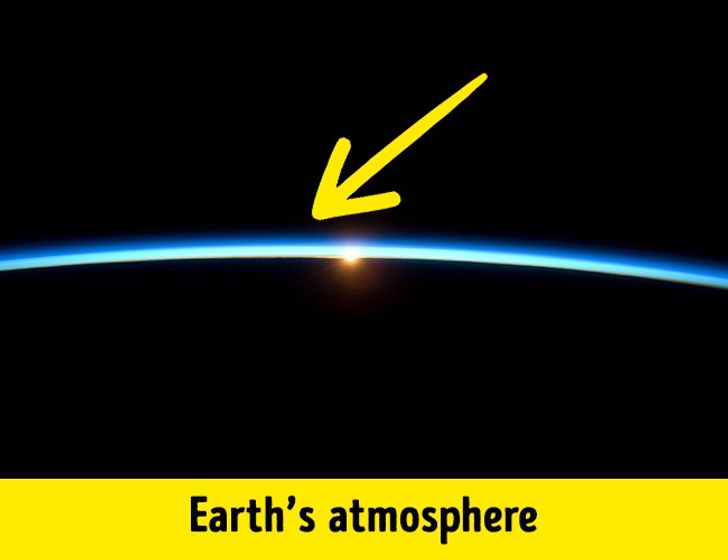 The Karman line is an internationally accepted line that lies at an altitude of 100 km above sea level. Although the level of Earth’s atmosphere ends much higher, this very line was recognized by The World Air Sports Federation as the boundary between the atmosphere and outer space.
The driest place on Earth is located in Antarctica
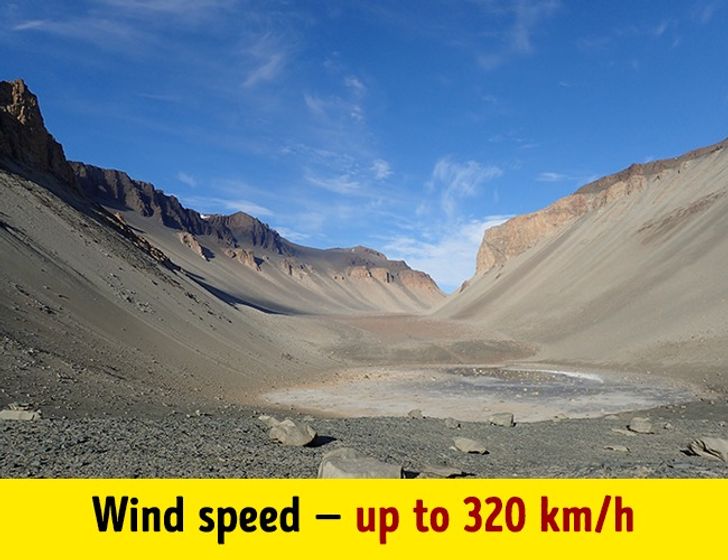 It’s commonly believed that the driest place on Earth is the Atacama Desert in Chile that hasn’t had rainfall for thousands of years. But the McMurdo Dry Valleys in Antarctica have seen no rain for nearly 2 million years. The winds here can reach speeds of 320 km/h.
Freshwater represents only 3% of all water on Earth
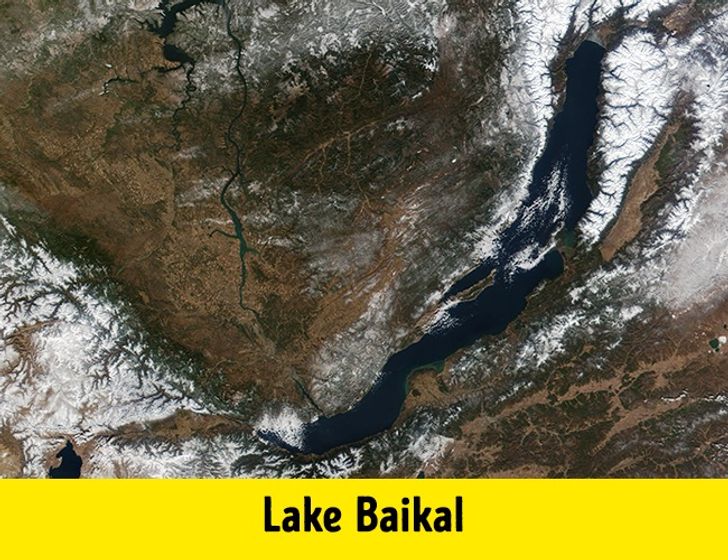 The oceans and seas hold 97% of Earth’s water, but it’s salty ocean water, not suitable for drinking. The remaining 3% of total freshwater is held in glaciers (70%) and in Lake Baikal (20%).
The world’s oldest temple is about 12,000 years old
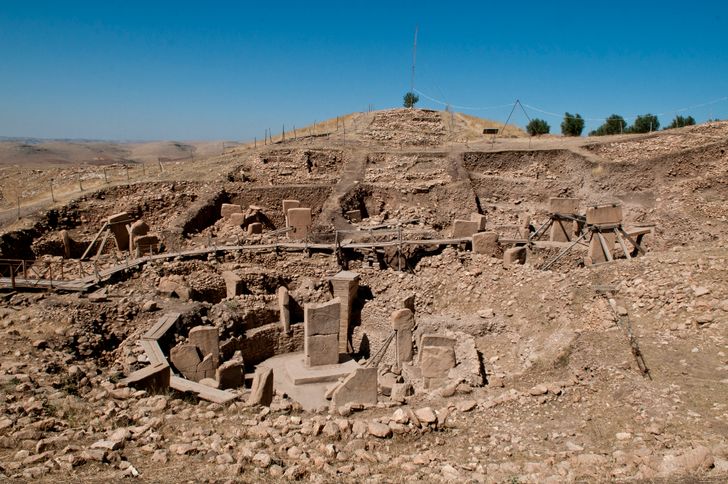 Göbekli Tepe, the oldest known temple, is located in southern Turkey. Researchers believe that the carvings on the pillars prove that roughly 11,000 years ago a comet strike caused a sudden temperature drop on our planet.
The Moon was once part of Earth
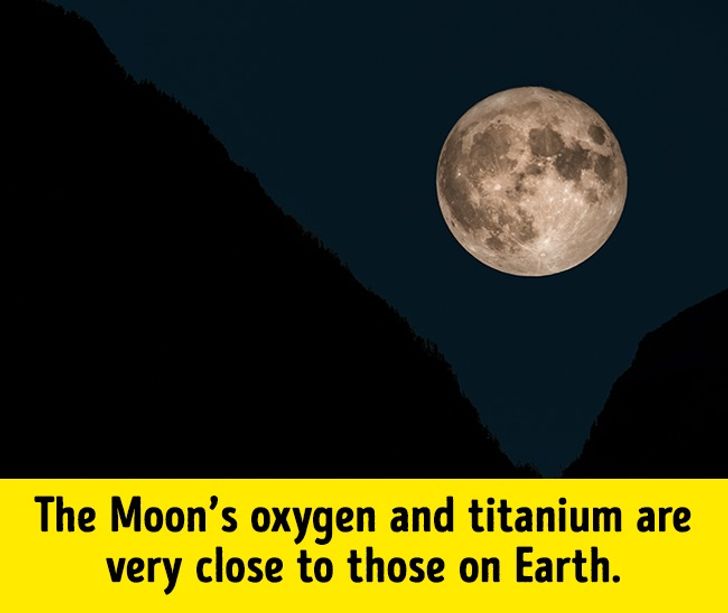 Swedish scientists suggest that some 4.36 billion years ago planet Earth collided with hypothesized planetary-mass object Theia, leading to the formation of Earth’s only permanent natural satellite.
In 250 million years continents will reunite
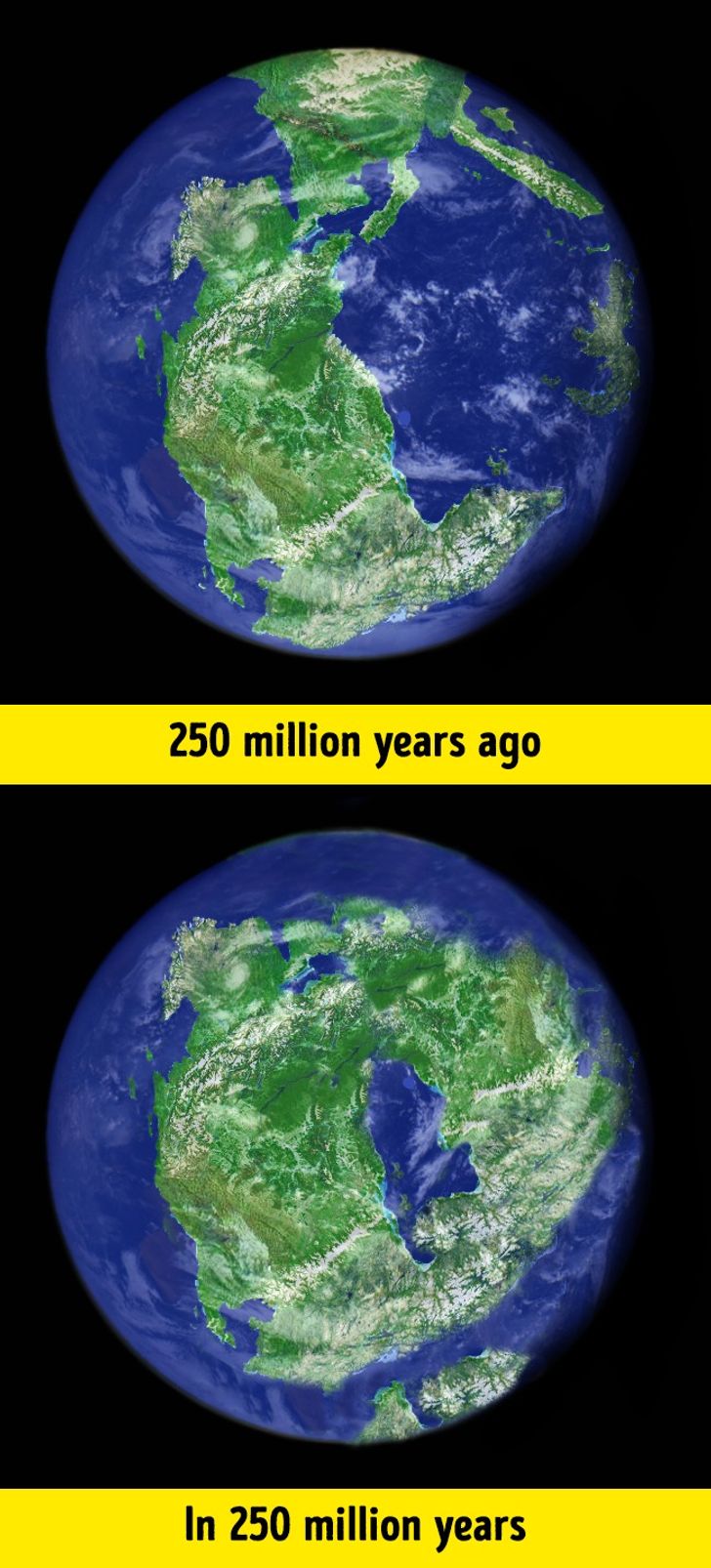 But scientists believe the continents will group together again in 250-300 million years from now and will become a single supercontinent called Pangaea Ultima.
A single-celled organism caused the first mass extinction
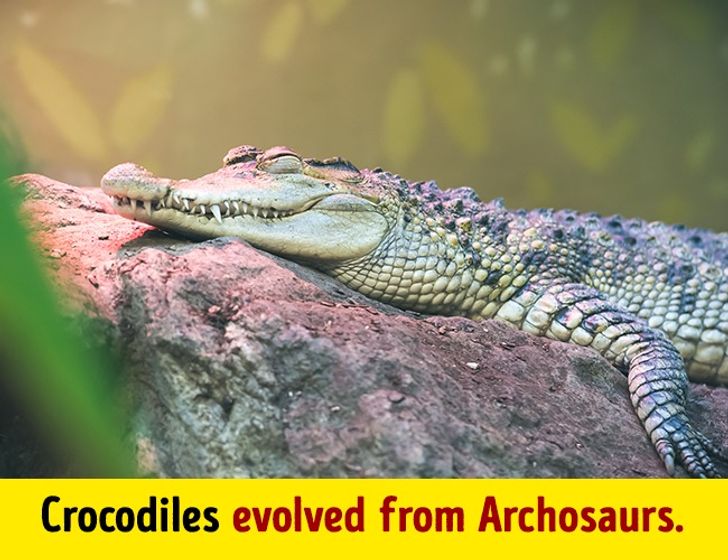 Massachusetts Institute of Technology suggest a theory explaining the mass extinction that wiped out almost 90% of all living creatures on Earth. A bacteria named Methanosarcina suddenly bloomed in the oceans 252 million years ago, triggering the only mass extinction of insects known to science.
Most of our planet always lies in the dark
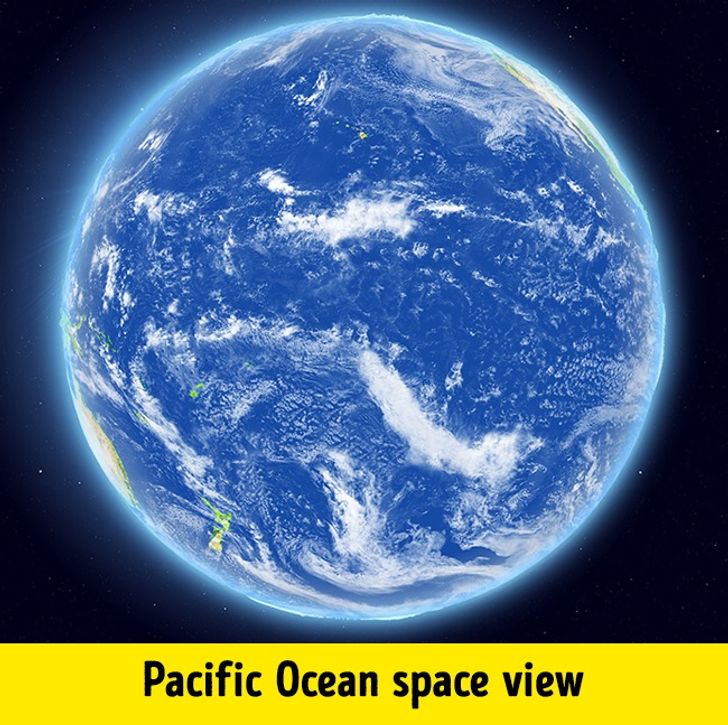 As we know, the World Ocean occupies 71% of our planet’s surface. The depth of the water exposed to sunlight is no more that 200 m, so the rest of the water is permanently in the dark.
Neighboring states can have a 24-hour time difference
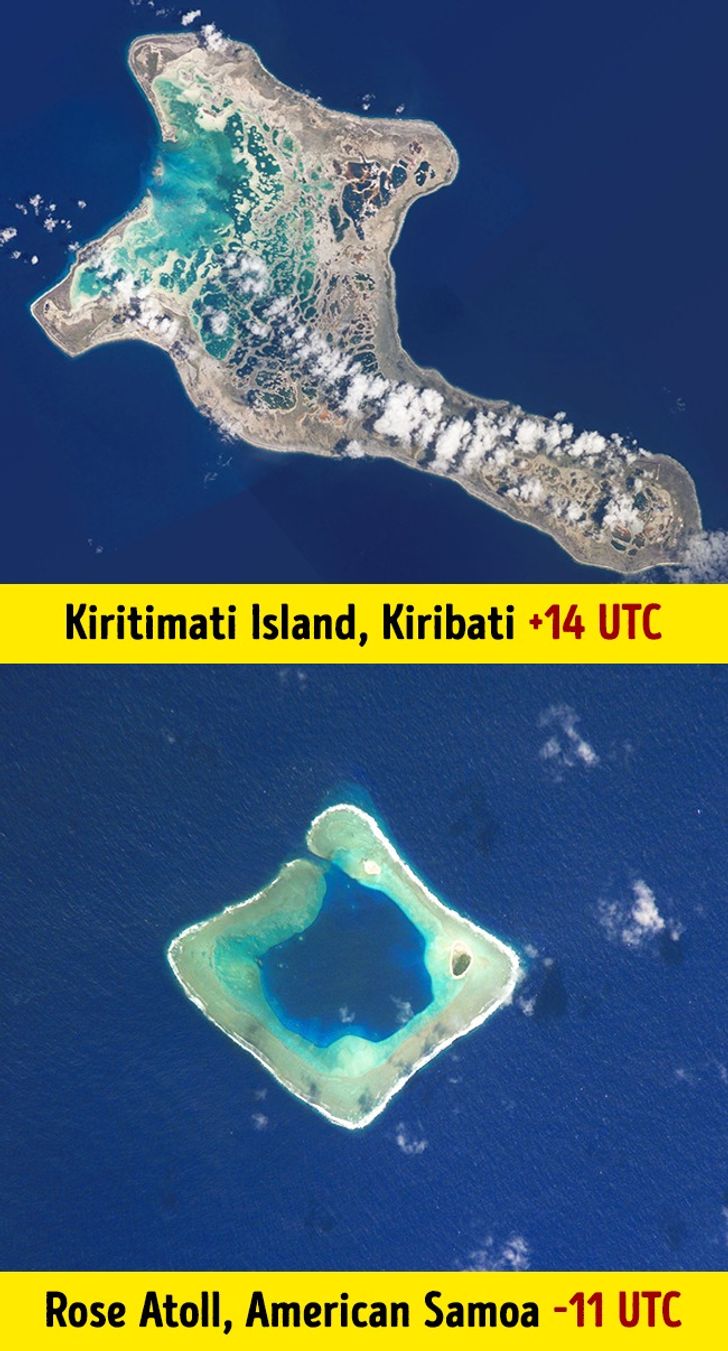 Despite the fact that American Samoa is only 2,000 km away from the Line Islands that form part of Kiribati, the time difference between the two neighbors is 25 hours.